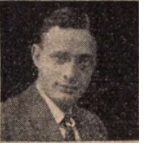
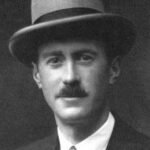
Wilfred Bion
Wilfred Ruprecht Bion (1897-1979) was a British psychoanalyst whose original contributions transformed psychoanalytic understanding of psychotic states, group dynamics, and the nature of thought itself. Working at the Tavistock Clinic and as a member of the Kleinian group, Bion developed concepts that continue to influence psychoanalytic practice, particularly in the treatment of severe personality disorders and psychotic conditions.
Early Life and Training
Born in Mathura, India, to British parents, Bion served in World War I before studying medicine at Oxford. His wartime experiences profoundly shaped his understanding of group psychology and the conditions that produce both heroism and atrocity. After qualifying in medicine, Bion trained as a psychoanalyst with the British Psychoanalytic Society, becoming a member in 1938.
During World War II, Bion worked with groups at the Tavistock Clinic, observing how individuals in groups revert to primitive psychological states. His experiences treating combat neuroses and his observations of group behavior led to his influential work on group dynamics.
Contributions to Psychoanalysis
Bion’s most significant contributions include his work on psychotic and non-psychotic parts of the personality, his theory of thinking, and his concept of the “container-contained.” Drawing on Klein’s paranoid-schizoid and depressive positions, Bion proposed that the mind contains psychotic and non-psychotic elements in constant interaction.
His concept of “alpha function” describes the mind’s capacity to transform raw sensory impressions into thinkable thoughts—β elements become α elements capable of being processed by the conscious mind. This theory explains how thinking develops and what goes wrong in conditions involving severe thought disorder.
The Container-Contained
Bion’s concept of the “container-contained” describes the relationship between the mother’s (or caregiver’s) capacity to tolerate the infant’s distressing states and the infant’s development of the capacity to think. When the mother can contain the infant’s anxiety without becoming overwhelmed, she helps the infant develop internal structures capable of managing distress.
This concept has profoundly influenced psychoanalytic treatment, particularly with severely disturbed patients. The analyst functions as a container, tolerating and processing the patient’s most disturbing states, helping them develop the capacity to think what was previously unthinkable.
Legacy
Bion’s work continues to influence psychoanalytic treatment of psychotic and borderline conditions, group analysis, and organizational psychology. His emphasis on the emotional experience of thinking and the analyst’s use of their own emotional states as data remains central to contemporary Kleinian and post-Kleinian practice.
References
Bion, W.R. (1962). Learning from Experience. Heinemann.
Bion, W.R. (1970). Attention and Interpretation. Tavistock Publications.